 Draft
DraftEvery frame
begins as a
sentence.
Dialogue that actors fight to read aloud. Structure that makes producers lean forward. Two originals in development — a feature spec and a pilot.
Story is not what happens. Story is what it costs someone to let it happen. Every scene earns its place or it doesn't exist. The white space on the page is where the audience holds their breath.
Character is argument.
Every character is a thesis about how to live. When two characters share a scene, their worldviews are in collision. Drama is philosophy with a deadline.
Structure is not formula.
Three acts are a description of what happens to human attention, not a cage. The turn in act two exists because that's when people stop pretending they're okay.
Silence is the best line.
The parenthetical "(beat)" is the most loaded word in the English language. What a character doesn't say tells you who they actually are.
Scene 12 — First Draft
INT. KITCHEN — 2 A.M.
NADIA stands at the sink, not washing anything. Just standing.
MARCUS (O.S.)
(from the hallway)
You coming to bed?
She turns off the faucet she didn't turn on.
NADIA
(a beat too long)
Yeah.
* The longest "yeah" in the history of marriage.
— director's note, table read
Two originals.
Both available to read.
Neither has been sent to a manager. Neither has been posted online. The waitlist gets them first — with a note on where each script came from.

PALE HARBOR
A marine salvage diver recovering her late husband's research vessel discovers his final dive logs contain footage that shouldn't exist — and someone very much alive wants them back.
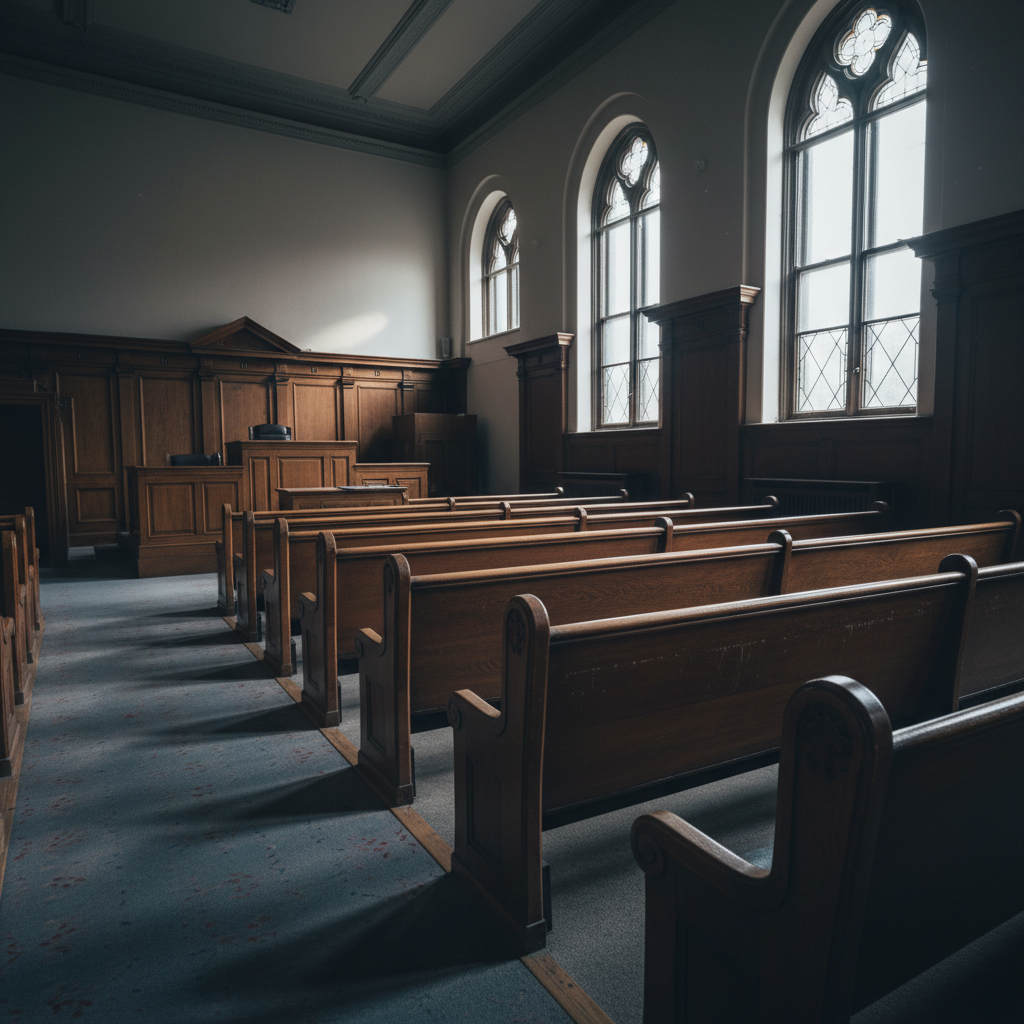
SECOND LANGUAGE
A Oaxacan interpreter at the US immigration court in Chicago discovers her own mother's file in the system — and must decide which version of the truth she translates.
"I've read a thousand specs. Most of them have scenes. This one has moments. There's a difference, and most writers never figure out what it is."

James Whitfield
Director, SUNDIAL (2024) · Tribeca Selection
6
Features written
4
Pilots developed
3
Festival selections
11
Table reads staged
How a collaboration
actually works.
Not a services menu. A description of how the work happens, from first conversation to final delivery.
The conversation that doesn't happen in the room.
Every collaboration starts before the first meeting. I read the director's last three films. I read the showrunner's early drafts. By the time we talk, I already know what you're trying to say — and where the language is failing you.
The document that isn't an outline.
Before page one, there's a single-page document. Not a beat sheet. Not a logline. A statement of what the story costs the person who most needs to tell it. Everything else is built from that.
The draft that earns its length.
First drafts are full. Second drafts are honest. Third drafts are clean. I don't deliver pages — I deliver arguments for why each scene exists and why it earns the next one.
Who this is for
Indie directors
searching for a voice that matches your vision, not a writer-for-hire who'll match your budget.
Showrunners
staffing a writers' room for pilot season who need someone who's read every pilot from 2018 forward.
Production companies
optioning original specs at 3 a.m. and wondering if the voice holds for a second draft.
Read it
before anyone else.
A feature spec and a pilot are in their final drafts. Neither is going to a manager. Neither is going online. The waitlist gets the loglines and sample pages first — before they hit the market.
INT. WAITING ROOM — CONTINUOUS
The room is empty except for a single chair facing a window.
Through the glass:
the rest of the story.
* Waitlist members get the view.
Timeline
Feature spec — final draft locked
Pilot — table read scheduled
Both scripts — waitlist delivery
Market — general submission